The 5 Building Blocks That Drives Progress
No matter how you train, whether that is lifting in the gym, running, playing sport, doing CrossFit, classes, or simply staying active, progress is built on the same fundamentals.
Strip away the trends and the noise and every effective training approach comes back to a small set of principles. The athletes who perform consistently, the coaches who get results, and the influencers who train for the long term all rely on the same building blocks.
Here are the five that matter most.
1. Progressive overload
Your body only adapts when it is challenged.
That challenge might be more weight, extra reps, improved technique, greater distance, or reduced rest. It does not need to be dramatic, but it does need to progress.
Most experienced lifters and athletes agree that sustainable progress comes from small, repeatable increases rather than constant maximal effort.
“Adding 1.25 to 2.5kg per week, or one to two reps per set, is enough to keep muscles adapting.”
Dylan Jones, Natural Bodybuilder and PT
2. Consistency over intensity
One hard session followed by long gaps will not get you very far.
Training that you can repeat week after week is what actually drives results. This is something elite athletes and long term gym-goers understand well. They train hard when it matters, but they prioritise showing up consistently.
Intensity has its place, but consistency is what allows progress to accumulate.
“You do not have to be extreme. You just have to be consistent.”
Chris Bumstead, Five-time Mr Olympia Classic Physique Champion
3. Recovery
Training is the stimulus. Adaptation happens during recovery.
Sleep, nutrition, hydration, and managing stress all influence how well your body responds to training. Without enough recovery, performance drops, motivation fades, and injury risk increases.
This is why professional athletes invest heavily in nutrition, sleep, and recovery practices alongside their training.
“If you are not sleeping, you are not recovering. And if you are not recovering, you are not getting better.”
Matthew Walker, Professor of Neuroscience and Sleep Scientist
4. Fuel availability
If you do not eat enough, performance suffers and progress stalls.
Your energy intake needs to match what you are asking your body to do. Under-fuelling may feel productive in the short term, but it limits training quality, recovery, and long-term results.
More athletes and coaches are now openly addressing this, particularly in sports and gym environments where eating too little has been normalised.
Nutrition plays a major role here, particularly protein and carbohydrate intake. After training, your body needs building blocks to repair muscle tissue and replenish energy stores. This is where having something convenient and reliable makes a real difference.
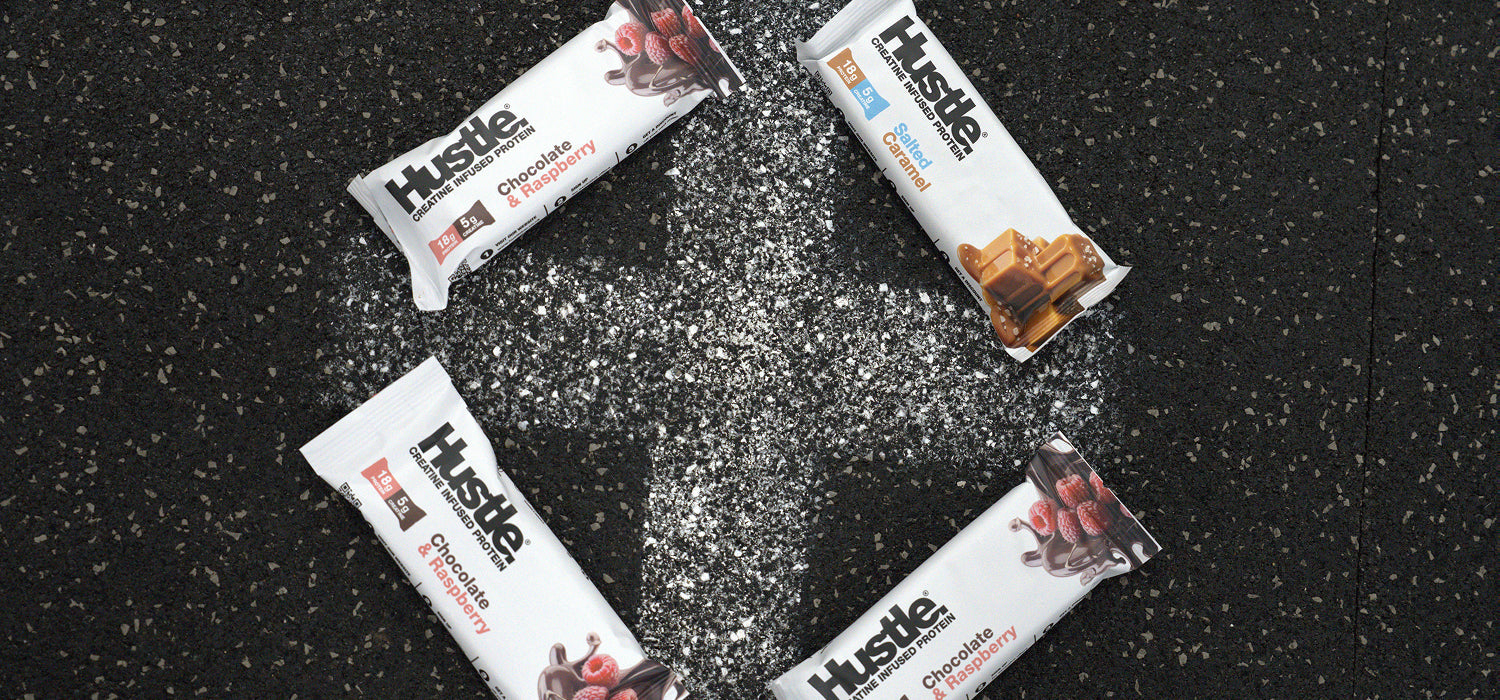
Hustle Bars are designed to support this process. With 18g of protein & 5g of creatine content to support muscle repair, alongside carbohydrates to help restore glycogen levels, they are an easy post-workout option when a full meal is not practical. They help bridge the gap between training and your next proper meal, which is often where recovery falls short.
“You cannot train hard, recover well, and improve while constantly under-eating. Fuel is part of the process.”
Dr Stacey Sims, Exercise Physiologist and Nutrition Researcher
5. Skill and movement quality
Moving well underpins everything.
Good technique improves performance, reduces injury risk, and makes training more effective. This applies whether you are lifting weights, running, or playing sport.
Experienced athletes tend to spend more time refining basics, not less. Skill keeps you training consistently and pain-free.
“First move well, then move often, then move fast, then move heavy.”
Gray Cook, Physical Therapist and Movement Specialist
Get these five things right and everything else becomes simpler. Training splits, programmes, and methods only work when the foundations are solid.
Next week, I will break down different training methods and explain why different goals need different approaches.
Leon
Founder, Hustle