Why More Women Are Taking Creatine for Strength, Energy and Focus
Creatine has long been associated with bodybuilding and male focused fitness culture. Big tubs loud claims and plenty of misinformation. But that picture is outdated.
More women are training consistently balancing demanding jobs and looking for nutrition that genuinely supports performance. Creatine fits that need far better than most people realise.
This is not about extremes or shortcuts. It is about giving your body the tools it already uses to perform well.
What is creatine and why does it matter
Creatine is a naturally occurring compound found in the muscles and the brain. Your body produces some on its own and you also get small amounts from foods like red meat and fish.
Its primary role is supporting the production of ATP which is the body’s quick access energy source. ATP fuels muscle contractions movement and mental effort. When ATP levels drop fatigue sets in and performance suffers.
Creatine helps replenish ATP more efficiently. That is the core reason it is used.
Creatine and strength for women
A common concern is that creatine will cause women to gain excessive muscle or bulk up. Creatine does not build muscle by itself.
Muscle growth requires resistance training sufficient protein and time. What creatine does is support strength and power output during training. This allows you to lift with more intent complete more quality reps and progress more consistently.
For most women the result is feeling stronger more capable and more confident in training. Not a dramatic change in body shape.
Everyday energy not just gym performance
Creatine is not limited to workouts. Because it supports cellular energy it can also influence how you feel throughout the day.
Women who train early work long hours or balance busy schedules often notice improved day to day energy when creatine is taken consistently. It supports output across physical and mental tasks not just time spent in the gym.
This is why creatine is increasingly viewed as part of everyday nutrition rather than a niche supplement.
Focus mental clarity and cognitive support
Creatine is stored in the brain as well as the muscles. Its role in energy production has led to growing interest in how it supports focus mental stamina and resistance to fatigue.
This does not mean it acts like caffeine or a stimulant. Instead it supports the systems the brain already uses to function especially during periods of high demand.
Training work stress and lack of sleep all draw from the same energy reserves. Creatine helps support those reserves.
Water retention and weight concerns
Another common misconception is that creatine causes bloating. Creatine can increase water content inside muscle cells but this is intracellular water not surface level bloating.
For most women this is not visually noticeable. In many cases muscles appear slightly fuller and more defined rather than soft.
Some people may see a small change on the scale but this does not reflect fat gain.
Creatine across different life stages
Creatine is often discussed only in the context of training performance. But because it supports cellular energy production its relevance goes beyond the gym and across different phases of female physiology.
Research in this area is still developing. However early findings are beginning to show how creatine may support women at multiple stages of life.
Menstrual cycle support
Energy levels and recovery can fluctuate across the menstrual cycle. Hormonal shifts influence fatigue tolerance muscle breakdown and overall performance.
Some preliminary research suggests supplementing creatine during the luteal phase the stage after ovulation when oestrogen levels are highest may help reduce fatigue and support muscle protein preservation. In simple terms this means potentially maintaining strength and recovery during a time when many women feel a noticeable drop in output.
Outside of specific timing creatine appears to provide consistent baseline benefits across the entire cycle. Rather than working against hormonal changes it helps stabilise energy availability while the body adapts to them.
Pregnancy and increased energy demand
Pregnancy places a significant metabolic demand on the body. The developing foetus and placenta require energy and nutrients which may reduce creatine availability in the parent.
Scientists are actively exploring whether creatine could support healthy foetal development cellular protection and energy availability during pregnancy. Early evidence from related research areas suggests potential roles in neuronal development mitochondrial function and reducing complications.
At this stage creatine during pregnancy remains an area of investigation rather than a standard recommendation but the growing interest reflects its fundamental role in energy metabolism.
Menopause and long term strength
Menopause brings hormonal changes that affect muscle mass bone density and strength. Maintaining resistance training becomes increasingly important but recovery capacity can decline.
Some preliminary studies suggest that a consistent moderate intake of creatine combined with resistance training may help reduce bone density loss in the hips and improve upper body strength in older women.
Why consistency matters
Creatine works best when taken daily in moderate amounts. It is not about timing spikes or loading phases. Consistency is what matters.
This is why integrating creatine into food can be more effective than relying on powders or complicated routines. It removes friction and makes daily use easy.
Creatine made simple
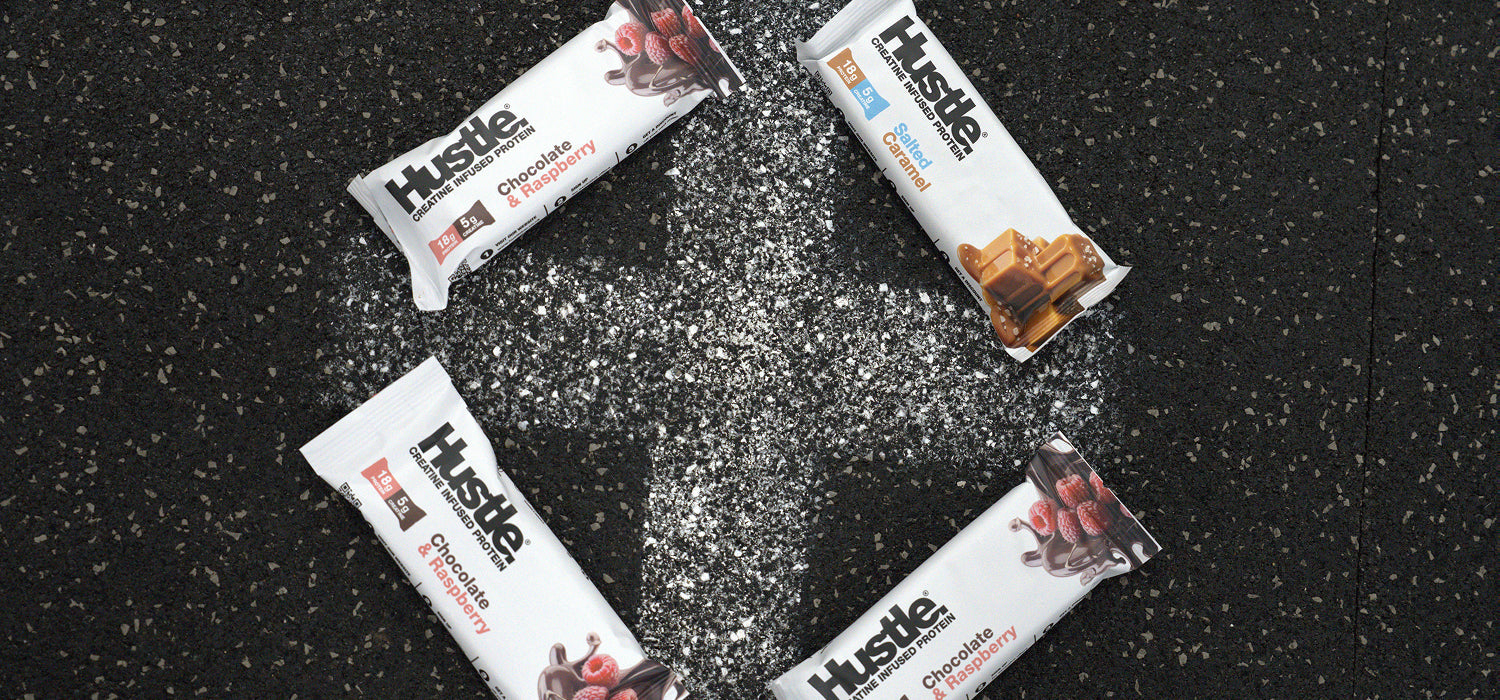
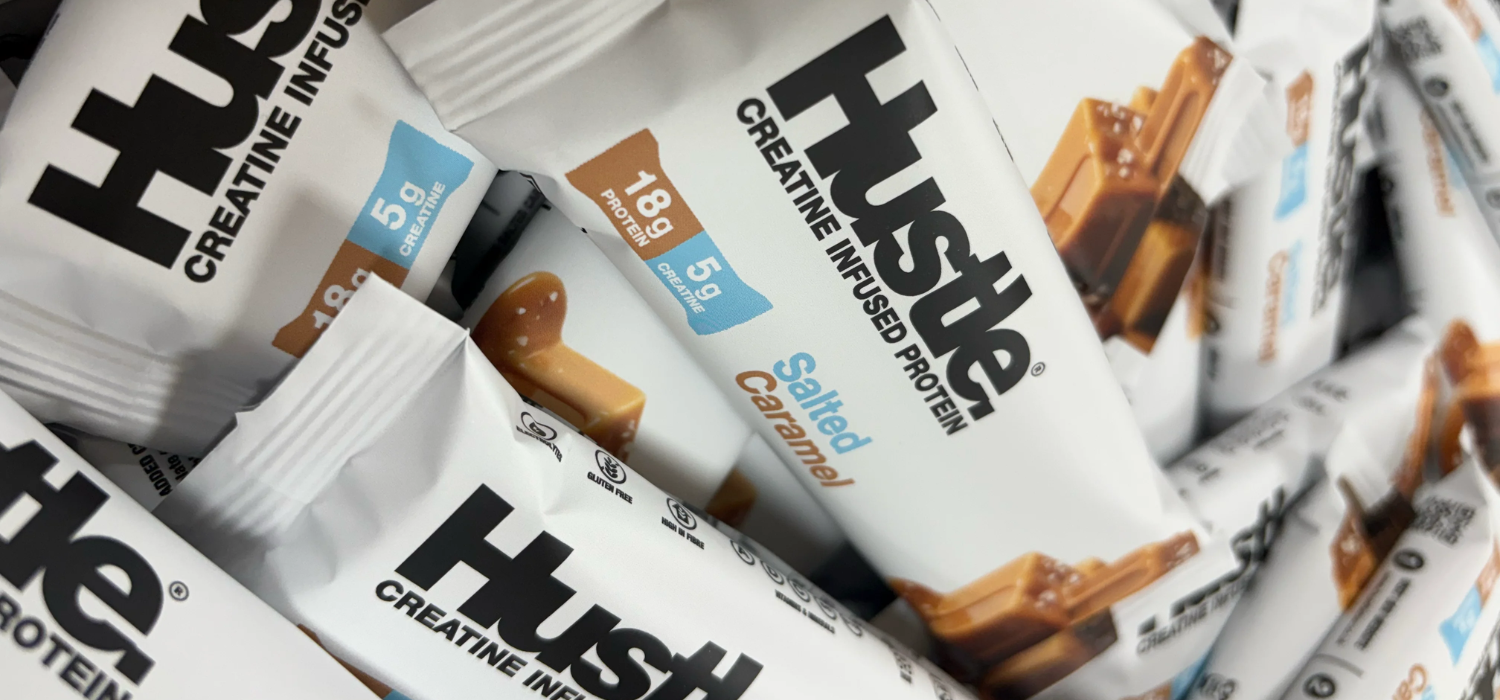
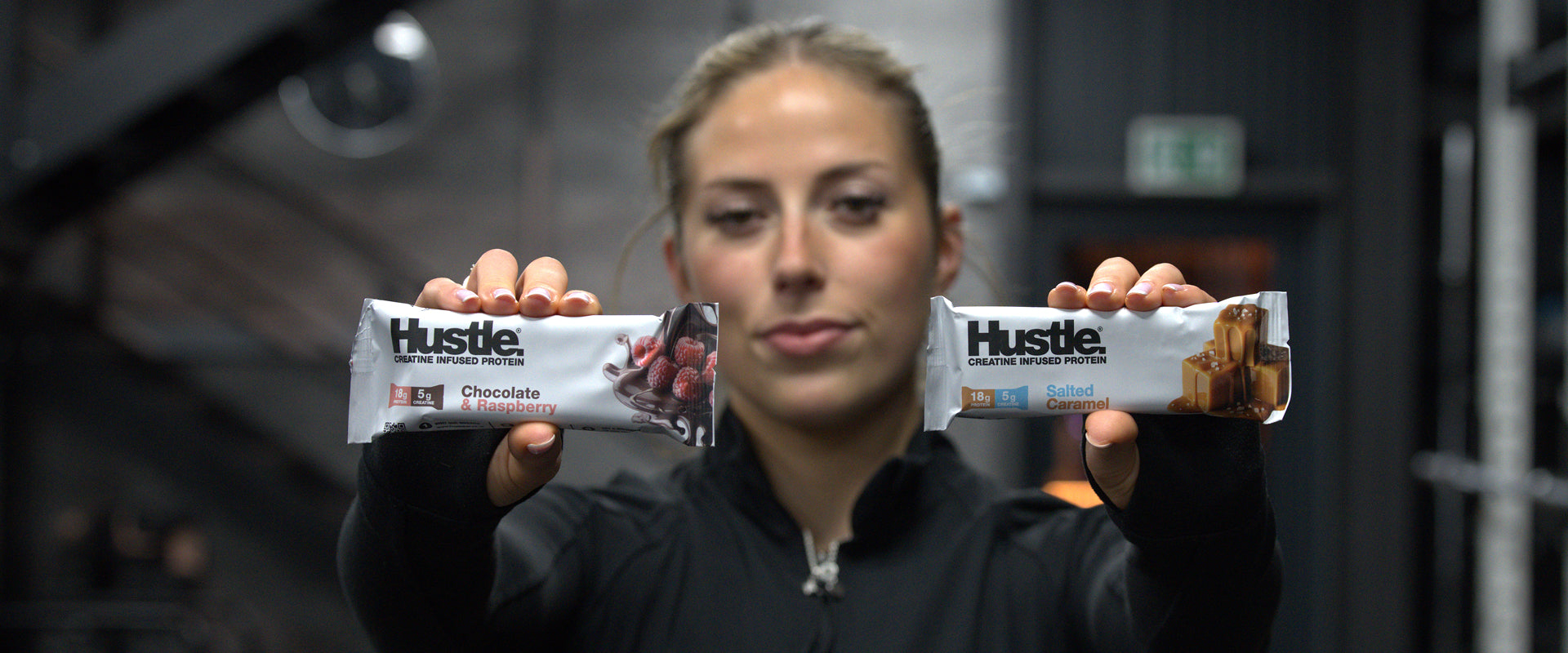
Hustle was created to make functional nutrition practical. High quality protein real ingredients and 5g of creatine built directly into a bar.
No powders to remember. No extra steps. Just a daily habit that supports strength energy and focus.
Creatine is not just for men. It is not just for bodybuilders. And it is not just about muscle.
For women who train stay active and demand more from their day creatine is a tool that fits real life.

Written by Michal Szachniewicz